 April 2026
 Travel Guide to Asia
 11 min read
Sri Lanka just quietly launched one of the best digital nomad visa programmes in Asia — and most people haven't noticed yet. With 48-hour approvals, 0% tax on foreign income, and a cost of living that makes Bali look expensive, the Serendib Nomad visa is genuinely worth understanding. Here's everything you need to know for 2026, with no bureaucratic fluff.
Planning a Trip to Sri Lanka?
We can arrange tours, airport transfers and accommodation that pair perfectly with your nomad lifestyle. Talk to our Sri Lanka team directly.
Get Expert Sri Lanka Advice →1 What Is the Serendib Nomad Visa?
Best for: Remote workers, freelancers, and online business owners earning outside Sri Lanka.
Sri Lanka's digital nomad visa — officially called the Serendib Nomad Residence Permit — launched in late 2024 and was significantly upgraded in 2026. It gives qualifying remote workers the legal right to live and work from Sri Lanka for up to one year, with the option to renew.
The scheme is modelled on successful programmes in Portugal and Costa Rica, but with one distinct advantage: Sri Lanka's cost of living is dramatically lower. A comfortable apartment in Weligama runs between $600–$900/month. A full meal at a local restaurant costs under $5. Your $2,000 monthly income threshold doesn't just qualify you — it makes you genuinely comfortable.
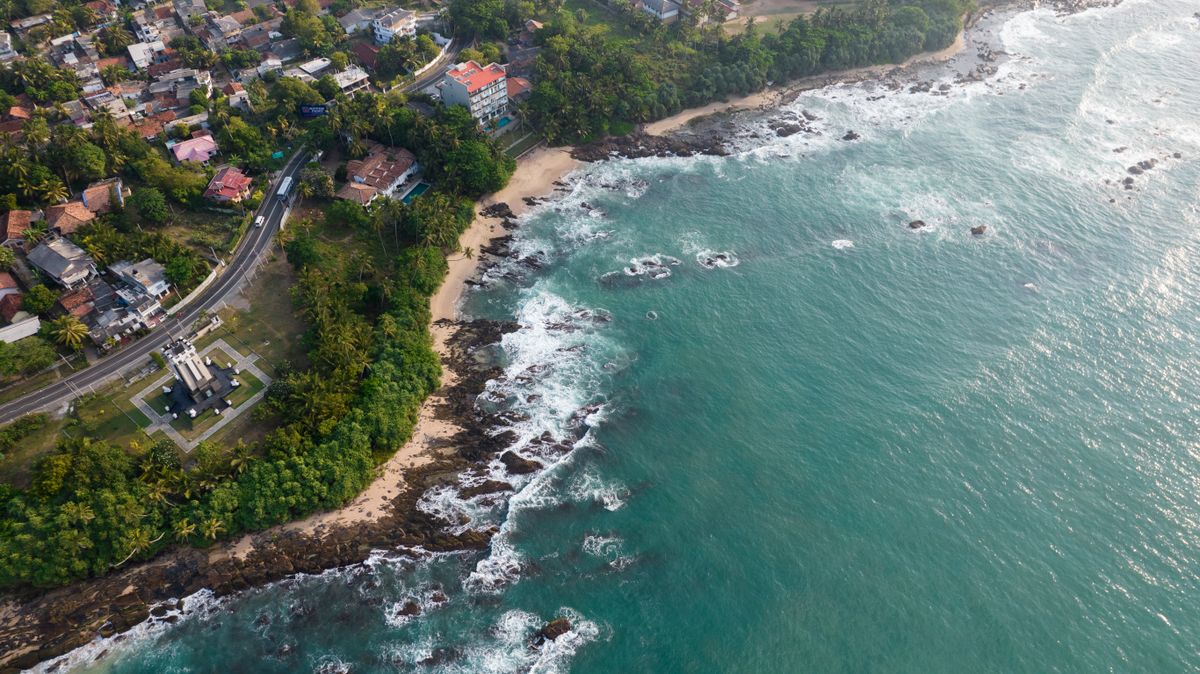
The south coast of Sri Lanka — increasingly popular with remote workers from Europe, the US, and Australia.
2 Official 2026 Requirements & Income Thresholds
The requirements are clear-cut. Sri Lanka's immigration team has made a genuine effort to keep this streamlined, and the 2026 portal reflects that.
Income Requirement
You must prove a recurring monthly income of at least USD $2,000 from sources based outside Sri Lanka. Bringing dependents? Add $500 per person. This income must be documented, consistent, and from a verifiable source — freelance invoices, employment contracts, or a business registration all work.
Documents You'll Need
- Valid passport (minimum 18 months remaining validity)
- Three months of bank statements showing $2,000+/month income
- Remote work contract or freelance client agreements
- Police clearance certificate (issued within 90 days of application)
- Proof of health insurance (minimum $50,000 coverage)
- Passport-size photographs (digital, white background)
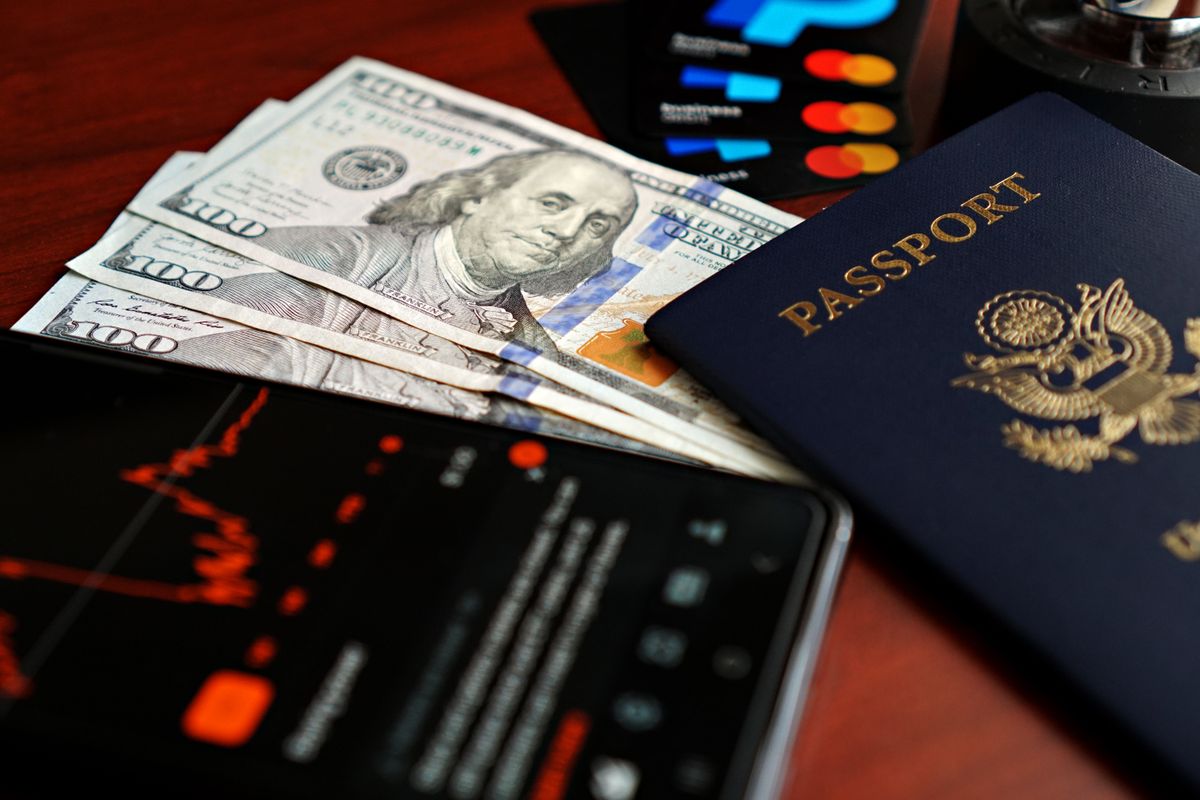
Get your documents in order before opening the portal — rejections for incomplete files are the most common mistake.
Your police clearance certificate must be issued within 90 days of your application date. This is the single most common reason for instant portal rejection — don't underestimate the processing time in your home country.
EU, US, UK, Australian and Canadian nationals are all eligible. The full eligibility list is updated quarterly on the Department of Immigration website — check before you apply if your passport is less common.
3 How to Apply: The Serendib Nomad Portal
The entire process runs through the Serendib Nomad One-Stop-Shop portal at the Department of Immigration website. The 2026 version is genuinely easy to use — no in-person appointments required, no trips to an embassy.
Step-by-Step Process
- Create an account on the Serendib Nomad portal using your email address.
- Upload your documents as high-resolution PDFs (under 5MB each). Blurry scans get flagged automatically.
- Pay the $500 fee online via credit card, debit card, or wire transfer.
- Await approval — you'll receive an email within 48 hours. Most approvals arrive within 24.
- Download your permit letter and present it on arrival at Bandaranaike International Airport.

The Serendib portal handles everything online — no embassy visit, no queues.
Apply at least two weeks before your travel date. While approvals are guaranteed within 48 hours, you'll want buffer time to resolve any document queries without stress — especially if your police clearance takes time to arrive.
4 The 0% Tax Perk — and the Remittance Catch
This is the headline benefit that's drawn a lot of attention: foreign income is subject to 0% local tax in Sri Lanka, provided it is remitted into a local Personal Foreign Currency Account (PFCA) at a Sri Lankan bank.
In practice, this means you open a PFCA at a local bank (Sampath, Commercial Bank, and Bank of Ceylon all offer them), transfer your monthly income there, and pay zero Sri Lankan tax on it. You still need to comply with tax obligations in your home country — Sri Lanka doesn't exempt you from those.
The Remittance Catch: To satisfy renewal requirements after your first year, your $2,000/month must have been actively remitted into your PFCA. Simply holding the money abroad won't count. Keep your monthly transfer receipts.
Wise (TransferWise) transfers into a Sri Lankan PFCA are accepted and count towards your remittance requirement. Many nomads use this to avoid currency conversion fees at local banks.
5 Best Nomad Hubs in 2026: Beyond Colombo
Colombo has the infrastructure, but it's not where most nomads choose to base themselves. In 2026, three areas dominate the conversation:
Ahangama–Weligama (South Coast)
This 15km stretch has become the 'New Canggu' of Sri Lanka — and it deserves the comparison. High-speed 5G is standard, boutique coworking spaces have multiplied rapidly, and the surf is genuinely world-class. Cafés with reliable fibre and killer coffee are easy to find. Accommodation ranges from $400/month guesthouses to $900/month beachfront apartments.
Ella (Hill Country)
If you prefer a mountain office to an ocean one, Ella is your answer. The infrastructure has improved dramatically — coliving hotels now offer Starlink as standard backup. The cooler climate (around 22°C year-round), the train journey from Kandy, and the lush tea-country scenery make it a popular choice for those working European or US time zones (the evenings are ideal for calls).
Galle Fort
For those who want character over convenience, Galle Fort's boutique cafés, colonial Dutch architecture and tight-knit expat community offer something neither Weligama nor Ella can match: a sense of place. Slower, more expensive, and absolutely worth it if you're staying for more than three months.
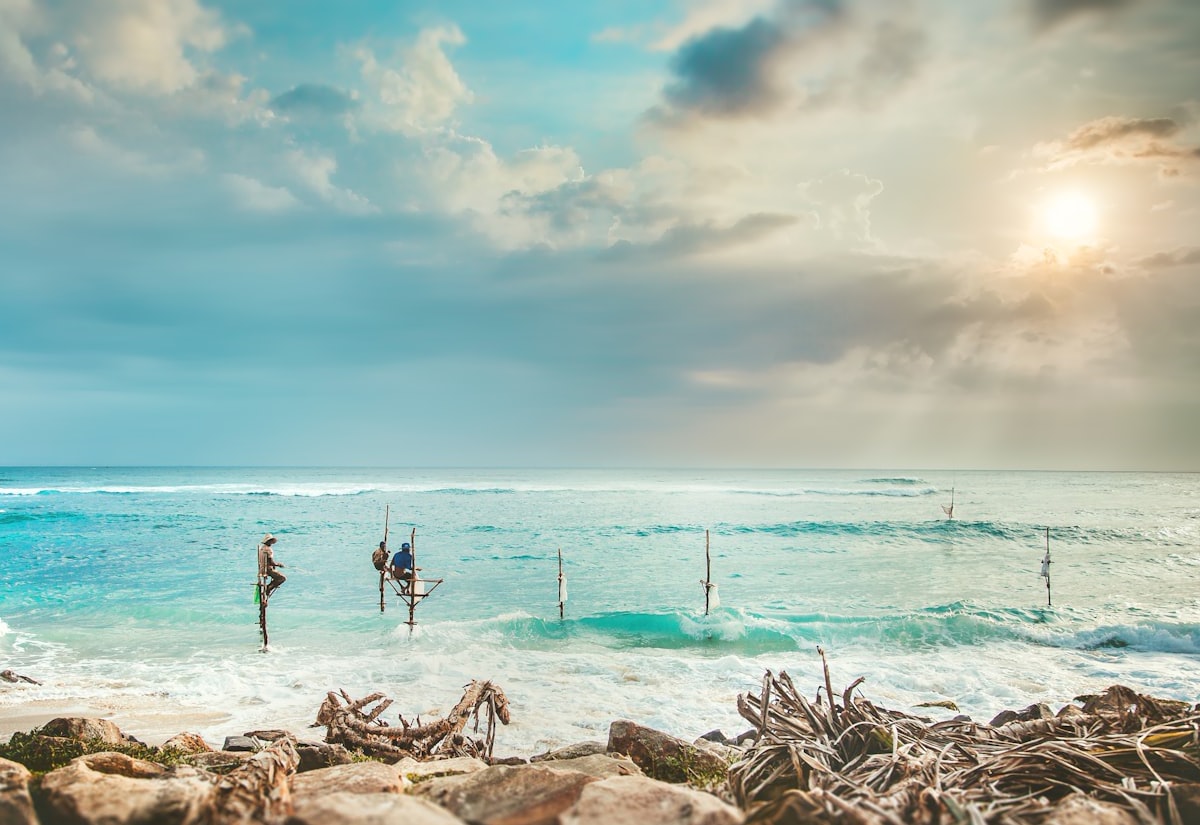
Weligama Bay — the heart of Sri Lanka's growing nomad community and a world-class surf spot.
Show your Serendib Nomad permit at any Mobitel store to access the Nomad SIM — 200GB of 5G data for approximately $15 USD/month. It's one of the best mobile data deals in Asia and works as a reliable backup for your fixed internet.
Quick Facts: Sri Lanka Digital Nomad Visa 2026
| Feature | 2026 Details |
|---|---|
| Visa Name | Serendib Nomad Residence Permit |
| Duration | 1 Year — Renewable Annually |
| Approval Time | 48 Hours (Guaranteed via Serendib Portal) |
| Application Fee | USD $500 (Main Applicant) + $100 per dependent |
| Income Threshold | USD $2,000/month (+ $500 per dependent) |
| Tax on Foreign Income | 0% — via Personal Foreign Currency Account (PFCA) |
| Internet | 5G active in Colombo, Weligama, Galle, Ella |
| Entry Point | Bandaranaike International Airport, Colombo |
Is the Sri Lanka Nomad Visa Worth It?
For most remote workers earning in USD, EUR, or GBP, the answer is an easy yes. The combination of fast approval, 0% foreign income tax, a genuine tropical setting and a cost of living that lets your salary stretch is genuinely hard to beat in 2026.
The only friction points are the remittance requirement for renewal and the police clearance timing. Plan those two things early, and the rest of the process is remarkably smooth. Sri Lanka is quietly becoming one of the smartest places in Asia to plant your laptop for a year.
Ready to Trade Your Office for the Ocean?
We help travellers and nomads explore Sri Lanka the right way. Tours, accommodation recommendations, and local connections — we know the island well.
Talk to Our Sri Lanka Team →