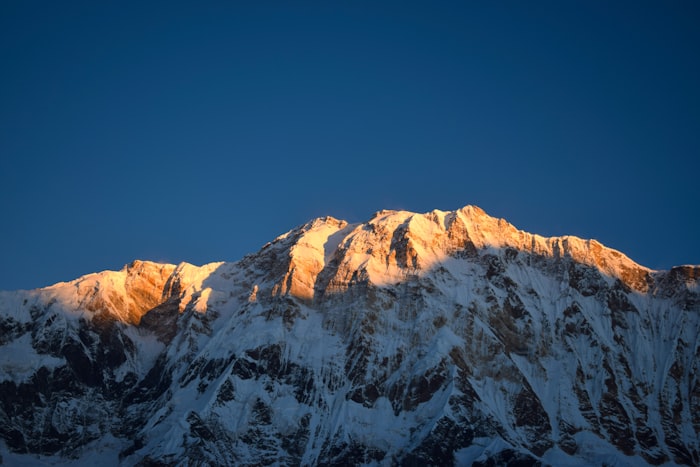
The Gold Standard of Global Trekking
The Annapurna Circuit remains the most complete mountain journey on earth — a living museum of geological transformation and Himalayan culture that no other route can match.
You'll start in lush, emerald valleys where waterfalls cascade through rhododendron forests, only to emerge in the high-altitude deserts of the Manang region. The air grows thin and crisp, carrying the scent of juniper and ancient glaciers. This isn't a stagnant trail; it's a massive loop that orbits the world's tenth-highest peak through landscapes that feel like they belong to different planets.
"You aren't just crossing a mountain range — you're navigating a spiritual corridor where Hindu shrines meet Buddhist monasteries, and the earth itself seems to hold its breath."
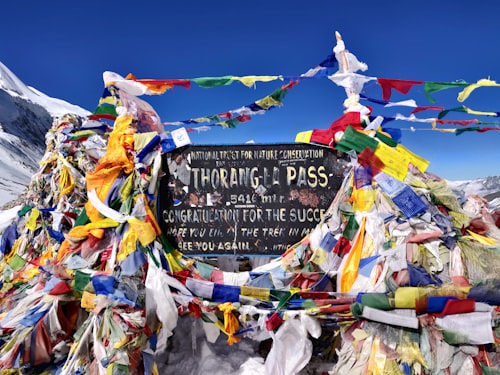
What sets this route apart is the diversion to Tilicho Lake. Situated at nearly 5,000 metres, this turquoise basin reflects the jagged Nilgiri and Tilicho peaks like a polished sapphire — a place so remote that most trekkers on the standard circuit never reach it. You will. From there, you'll traverse the formidable Thorong La Pass at 5,416m before descending into the sacred valley of Muktinath. It's a sensory overload of the very best kind.
Day-by-Day Itinerary
Every day is designed with acclimatisation as the priority. The Tilicho diversion doubles as altitude training for Thorong La — this is not coincidence.
Your journey begins in the vibrant chaos of Kathmandu. You'll feel the humid air and smell the spicy aroma of street-side samosas as you transfer to your hotel. The city's soundtrack is a remarkable mix of motorbike horns and distant temple bells.
In the evening, meet your guiding team for a welcome dinner. You'll taste authentic dal bhat while discussing the route ahead — the passes, the lake, the culture. The warmth of the spices prepares you for the cold peaks ahead. Sleep well. The mountains begin tomorrow.
An early start for a long, rugged private 4WD drive into the heart of the Himalayas. Watch the urban landscape dissolve into terraced hillsides and roaring rivers as you pass through Besisahar and climb higher into the Marsyangdi Valley.
By the time you reach Chame, the air feels noticeably cooler and carries the crisp scent of pine needles. Your first close-up views of Annapurna II appear — a true statement of what lies ahead. Dinner in a cosy teahouse, warmed by a wood-burning stove.
You'll walk through dense forests of oak and maple, the trail following a narrow valley and crossing suspension bridges that sway gently over turquoise water. The massive Paungda Danda rock face — a curved slab rising 1,500 metres from the riverbed — stops you in your tracks.
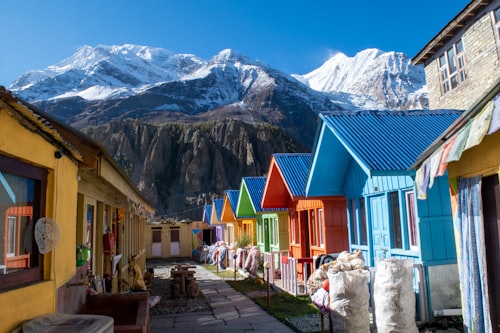
As you climb, vegetation thins and the sharp scent of juniper fills the air. Entering Pisang, the architecture shifts to flat-roofed stone houses typical of the high Manang region. The glistening white peaks of the Annapurna range tower above the village. Evening: hot ginger tea and early rest.
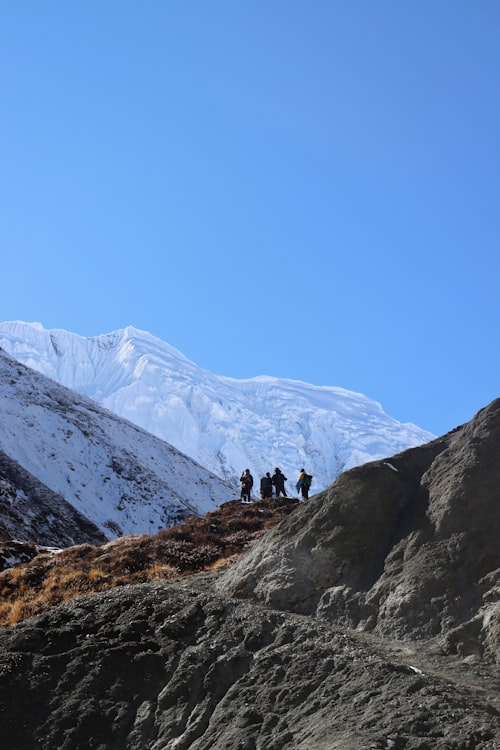
The high trail today offers spectacular vistas of Tilicho Peak and Annapurna III — a deliberate choice. You'll walk through dry, arid landscapes that feel like a different world compared to the lush forests of Chame. The sun is intense in the thin air, reflecting off snowy summits.
Pass through the ancient village of Ngawal, where prayer wheels line the path and the sound of Tibetan trumpets echoes from local monasteries. Arriving in Manang, you feel the pulse of a mountain hub. You'll settle in for two nights — your base for the critical acclimatisation phase.
Rest is vital today as your body adjusts to life at altitude. The morning is spent walking to Gangapurna Lake or climbing to the 100-Rupee Monk's cave for a blessing. The view of the icefall tumbling from Gangapurna is mesmerising. Incense drifts from the local gompas.
It's a day for slow movements, deep hydration, and quiet observation. The afternoon is yours — most trekkers end up in a local bakery, eating apple pie while watching documentaries about the very mountains they're currently walking through. A perfect acclimatisation day ritual.
Today you leave the main circuit trail and head toward the turquoise heart of the region. The path winds through the old village of Khangsar, where stone walls appear to have grown out of the earth itself. The wind picks up as you climb into the blue-tinted landscape.
The trail is narrow and dusty, scented with wild herbs underfoot. You'll reach Shree Kharka by mid-afternoon — a quiet settlement with commanding views of the "Great Barrier" peaks. The evening light turns the mountains orange and gold. Hot noodle soup and early sleep.
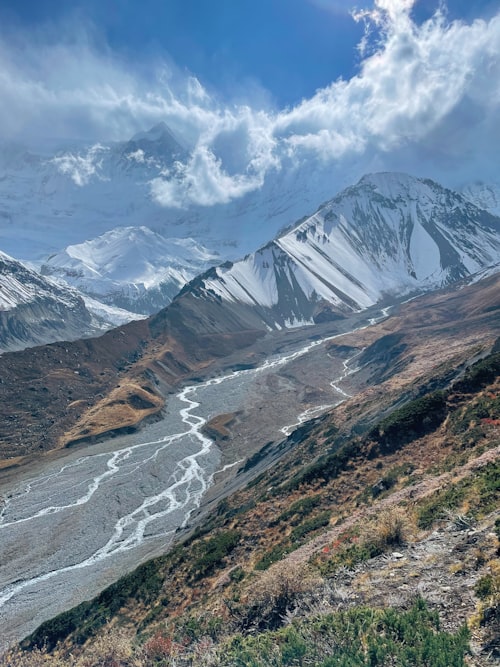
Today is a test of nerves and focus. You'll navigate the famous landslide area — the trail carved into a steep scree slope where pebbles clatter beneath your boots and the wind whistles across exposed rock. The landscape is otherworldly: a moonscape of grey stone and sharp shadows.
Arriving at Tilicho Base Camp feels like reaching the edge of the world. Accommodation is basic but the camaraderie among trekkers here is unlike anywhere else on the circuit. You'll sleep early, preparing your mind and body for the pre-dawn climb to the lake.
This is the moment. A pre-dawn start brings you to the shores of the world's highest glacier lake. You'll feel the biting cold on your face and see your breath rise in the moonlight. The climb is steep, but the reward is a vast, frozen-blue sea surrounded by white giants — Tilicho Peak and Nilgiri reflected in perfect stillness.
The silence at the lake is absolute, broken only by the occasional crack of shifting ice. Spend time absorbing this rare view before descending to Base Camp for lunch, then continuing back to Shree Kharka. You'll fall asleep that night feeling a profound sense of accomplishment that words cannot fully carry.
You'll rejoin the main circuit, bypassing Manang and heading toward the foot of the great pass. The walk is steady, crossing the Jarsang Khola via a high bridge. Look up — you'll spot Himalayan Blue Sheep (Bharal) grazing on impossibly steep slopes, and vultures circling in the thermal currents above.
Vegetation reduces to hardy moss and lichen at this elevation. Thorong Phedi is a bustling high camp where nervous energy fills the communal dining room. Everyone is preparing for tomorrow's big push. High-carb dinner, gear check by headlamp, and lights out early.
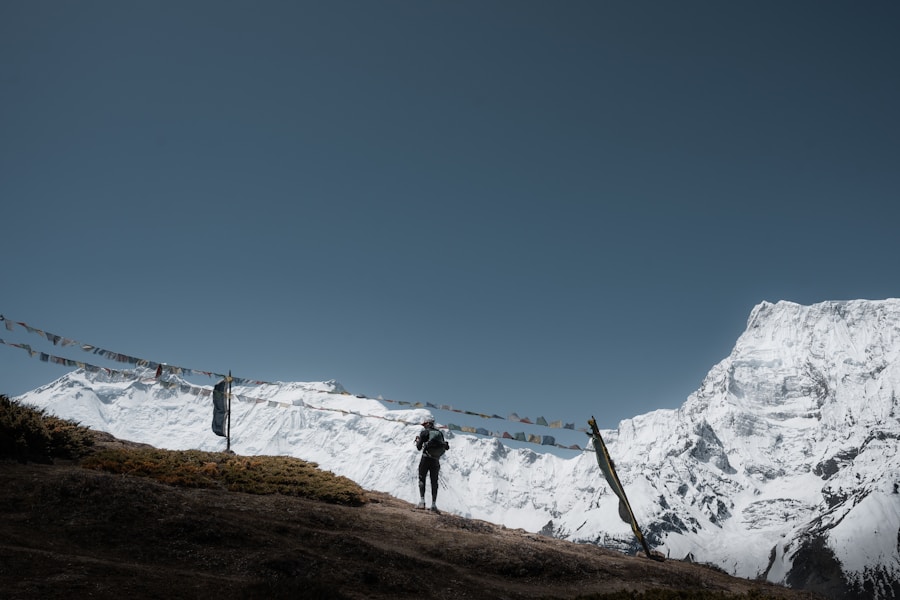
4:00 AM. Headtorches on. The hardest and most rewarding day of the entire trek. The ascent to Thorong La is a slow, rhythmic grind through snow and ice under a canopy of stars. Reaching the pass, a sea of colourful prayer flags greets you alongside a panorama of the Dhaulagiri range stretching to infinity. The wind is fierce — the joy is greater.
You'll then descend nearly 1,600 metres to Muktinath — the sacred valley where Hindus and Buddhists both come to worship. The smell of sulfur from the eternal flame, the sight of pilgrims bathing in the 108 water spouts. The hot shower in Muktinath that evening will feel like the greatest luxury you've ever known.
The landscape transforms completely as you enter the Kali Gandaki Valley — the deepest gorge in the world. Arid, wind-swept plains of the Mustang region replace everything you've seen before. By noon, the famous "Jomsom wind" howls up the valley, kicking up dust from the river bed below.
Pass through the medieval village of Jharkot with its crumbling fort and red-painted monastery. The trail follows the riverbed, mostly flat. Jomsom is a civilised reward — hot showers, a cold beer, and one final dinner with your trekking crew. You've crossed the Himalayas. Celebrate properly.
You'll leave the high mountains behind. If flying, a thrilling 20-minute flight between Annapurna and Dhaulagiri gives you one final aerial audience with the giants. If driving, navigate the rugged road along the Kali Gandaki — still spectacular, even from a 4WD window.
Arriving in Pokhara, the humid, flower-scented air feels rich and thick after two weeks at altitude. The calm waters of Phewa Lake reflect Machhapuchhre — the sacred Fishtail peak. After the dust of the trail, green Pokhara feels like paradise. Lakeside café, soft bed, deep sleep.
Travel back to the capital by short flight or scenic drive along the Trishuli River. Watch rural Nepal pass by — farmers in the fields, children waving from the roadside. Back in Kathmandu, the afternoon is yours for last-minute shopping in Thamel: intricate mandalas, soft pashminas, high-altitude memories.
In the evening, your guides will host a farewell dinner. You'll share photos and stories from the trail, realising with quiet amazement how much this journey has shaped you. The sounds of the mountains, the smiles along the way — you'll carry all of it home.
After a final breakfast at the hotel — perhaps reflecting quietly on the cold winds of Thorong La and the blue stillness of Tilicho Lake — a private vehicle transfers you to Tribhuvan International Airport for your flight home.
As you look out the plane window at the receding white peaks, you'll recognise the giants you've walked among. You leave with a tired body but a full spirit, carrying the sounds of the mountains and the warmth of your guides back into your ordinary world. The journey is over. The memories are permanent. You traversed the Annapurna Circuit.
What's Included
- ✓Licensed English-speaking Nepali guide
- ✓Porter (1 per 2 trekkers, max 10kg bag)
- ✓Private 4WD transfer Kathmandu → Chame
- ✓ACAP permit (Annapurna Conservation Area)
- ✓TIMS trekking card
- ✓All teahouse accommodation (twin sharing)
- ✓Breakfast and dinner throughout the trek
- ✓Airport and hotel transfers in Kathmandu
- ✓First aid kit and pulse oximeter
- ✓Government taxes and service charges
- ✗International flights to/from Kathmandu
- ✗Nepal visa ($30–$125 depending on duration)
- ✗Travel insurance (mandatory — must cover evacuation)
- ✗Lunch on the trek (budget $10–20/day)
- ✗Personal trekking gear and equipment
- ✗Tips for guide and porter
- ✗Hot shower and charging fees at teahouses
- ✗Jomsom to Pokhara flight (if preferred)
The Insider's Annapurna Guide
Hard-won knowledge from guides who've walked this circuit dozens of times.