The World's Premier Trek
The air is thin, the tea is hot, and the mountains are eternal. The Everest Base Camp trek represents the ultimate pilgrimage for those who seek to measure themselves against the world's highest peaks.
Nestled within Nepal's Sagarmatha National Park, this route weaves through ancient Sherpa villages, high-altitude monasteries, and glacial moraines. You aren't just walking a trail; you're tracing the footsteps of mountaineering legends through a landscape sculpted by ice and time.
"You won't summit Everest. You will do something equally powerful — stand at its foot, look up at a wall of ice and rock that disappears into cloud, and understand what it means to be small in this world."
This 14-day trek is meticulously designed to prioritize acclimatization, ensuring your body adapts to the decreasing oxygen levels while your mind absorbs the raw, unyielding power of the alpine wilderness. The journey begins in the incense-swirled streets of Kathmandu before a dramatic flight drops you into Lukla — and from there, the giants take over.
Day-by-Day Itinerary
Every day is designed around your safety. Acclimatisation is built-in — this is not a race.
Arrive at Tribhuvan International Airport. The air is thick with marigolds and exhaust — a stark contrast to the mountains ahead. Transfer to your hotel in Thamel and meet your guide for a technical briefing covering the route, gear, and permits.
Dinner features your first taste of authentic dal bhat — lentil soup and rice, the fuel of the Himalaya. The evening is yours to wander ancient squares and listen to the distant hum of chanting monks. A night of anticipation before the early morning flight.
Adrenaline surges as your small Twin Otter aircraft navigates deep valleys to land on Lukla's famously short, uphill runway — a 20-minute adventure in itself. The mountain air hits instantly — sharp, cold, and incredibly fresh.
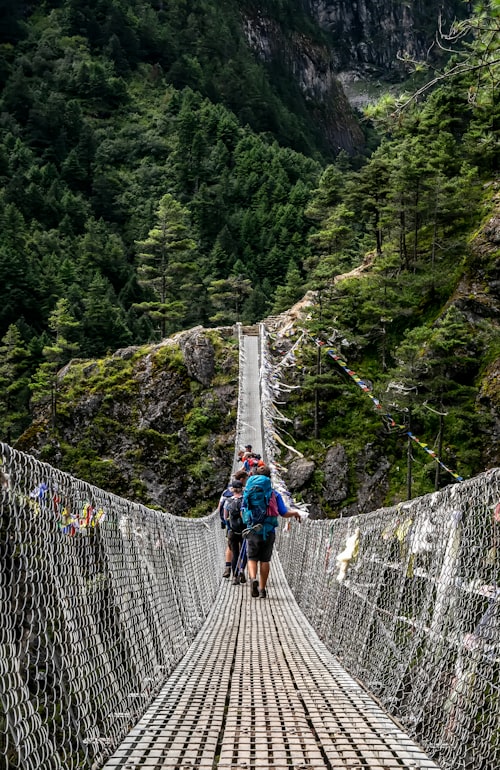
The trail descends through stone-paved paths past carved mani stones and fluttering flags. You'll cross your first suspension bridges over the turquoise Dudh Koshi River. Dinner in a communal teahouse heated by a central yak-dung stove fosters genuine mountain camaraderie.
A rigorous climb that tests your cardiovascular endurance. You'll crisscross the Dudh Koshi River several times on high swaying bridges draped with silk scarves. The trail enters Sagarmatha National Park, climbing steeply through pine forests.
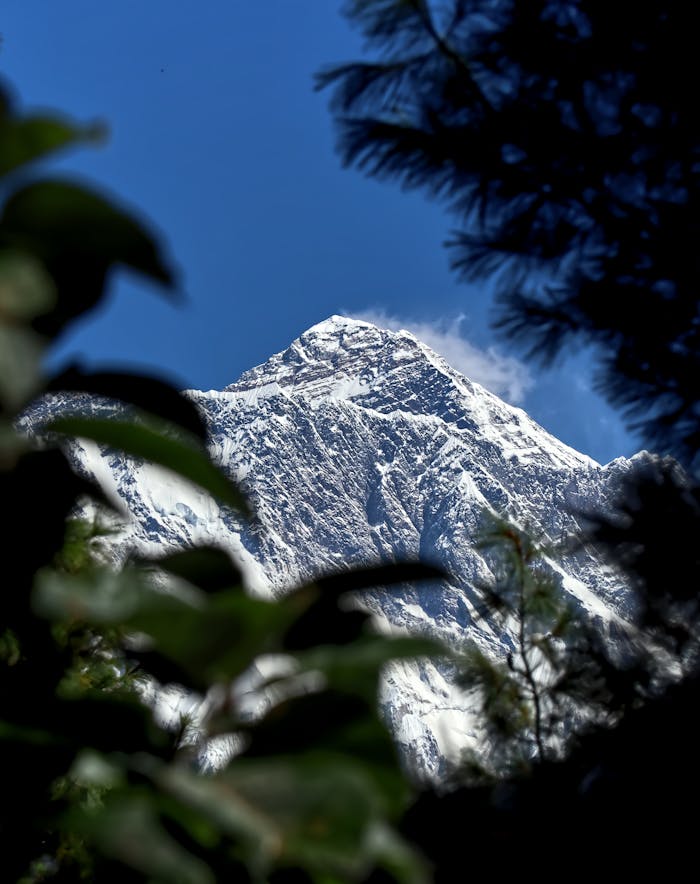
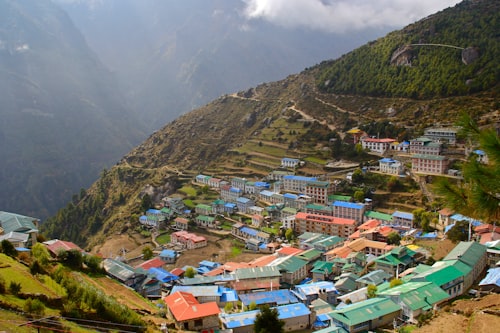
As you approach the final ridge, you might catch your first glimpse of Everest through the trees. Namche Bazaar appears like a natural amphitheater — colorful buildings clinging to the hillside, bakeries wafting with cinnamon, and the streets of the Sherpa capital buzzing with trekkers and mountain culture.
Critical rest day. Your body is working hard to oxygenate blood at 3,440m. Morning hike to the Everest View Hotel (3,880m) for your first panorama of Everest, Lhotse, and Ama Dablam.
Visit the Sherpa Culture Museum — black-and-white photos of early trek, the legends who first climbed here. Afternoon: explore Namche's gear shops and bakeries. Stay hydrated with ginger-lemon-honey tea. This day is not optional — it's what keeps you healthy on Day 9 and beyond.
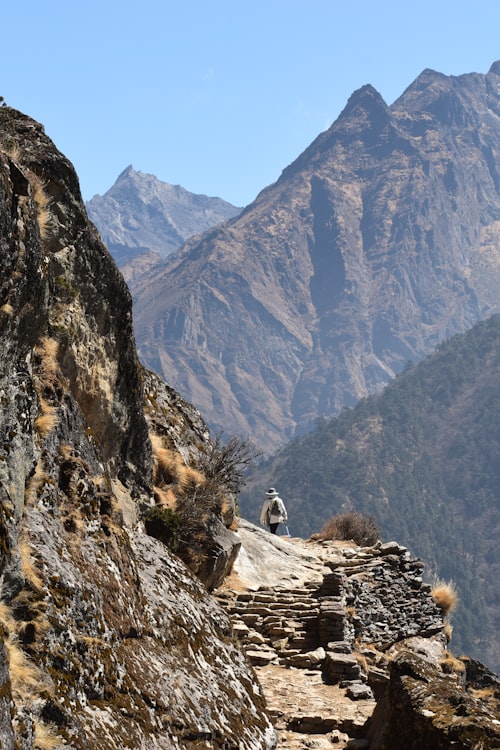
The trail winds along the mountainside with expansive valley views, descending to Phunki Tenga before a long steady climb through rhododendron and birch forests. Ama Dablam dominates the view — possibly the most photogenic peak in the Himalaya.
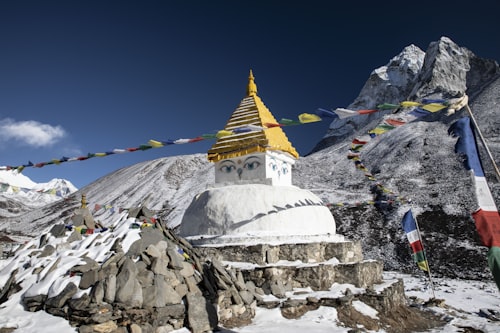
Arrive at Tengboche Monastery — the spiritual heart of the Khumbu. If timing is right, attend evening puja with the monks: the deep resonant drone of horns, rhythmic chanting, the scent of juniper incense. The view from this plateau is considered one of the finest in the world.
Leaving Tengboche, the trail drops through moss-covered trees before crossing the Imja Khola. Then the landscape shifts dramatically — trees disappear, replaced by low shrubs and hardy alpine grass. You're properly in the high mountains now.
Pass through Pangboche, home to the oldest monastery in the region. Wind picks up across the open valley. The evening light turns surrounding summits into glowing shards of orange and gold. Dingboche sits in a protected valley with stone walls built to shelter crops from the bite of altitude winds.
Second acclimatisation day before pushing above 5,000m. Morning hike up Nagarjun Hill (5,083m) — challenging, rocky and loose, but the views of Makalu (world's 5th highest), Lhotse, and Cholatse are worth every step.
Afternoon resting in the teahouse sunroom. The silence of the high valley is profound — broken only by the occasional distant rumble of an avalanche. Sleep here, go high, return low. This is the golden rule of altitude.
The trek crosses Thukla Pass, a somber and beautiful stretch of trail. Here you'll find a collection of stone memorials dedicated to climbers who lost their lives on Everest — a powerful reminder of the mountain's scale and force.
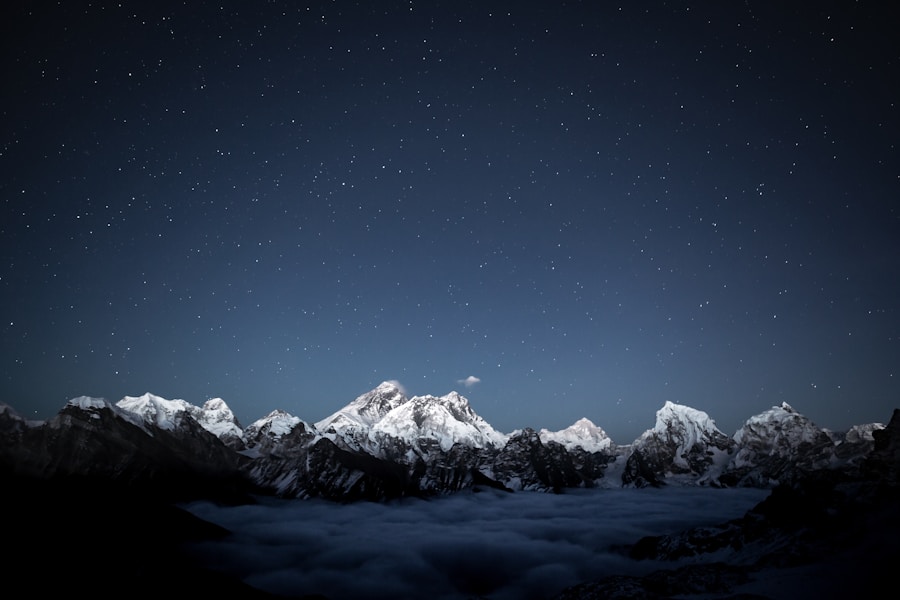
The path follows the lateral moraine of the Khumbu Glacier. The ground is frozen dirt and grey boulders. Lobuche is a small settlement tucked under Lobuche East. After sunset, temperatures drop sharply — but the stars appear startlingly close in the thin atmosphere.
This is the pinnacle of your journey. Trek to Gorak Shep, drop your bag, continue across the Khumbu Glacier moraine to Base Camp. It's a slow, rhythmic grind over shifting rocks and ice at altitude.
Reaching the EBC rock decorated with hundreds of prayer flags is an emotional milestone. You'll stand at the edge of the Khumbu Icefall, watching blue-tinted ice towers. While Everest's summit is hidden by its own massive shoulder, the energy here is palpable. Return to Gorak Shep — exhausted, triumphant, changed.
4am start. Headtorches on. Climb Kala Patthar in darkness and watch dawn break over Everest's summit. The mountain turns from deep purple to brilliant gold. This is the best view of the summit you'll get on the entire trek — and one of the great mountain moments on earth.
Descend to Gorak Shep for breakfast, then begin the long descent to Pheriche. Your lungs work properly again. The valley green returns. The thicker air allows a much deeper, more restful sleep than any night above 5,000m. Your knees will feel the descent — trekking poles essential.
Back through familiar forests and over suspension bridges. Pass through Pangboche and Tengboche — perhaps stopping for a celebratory slice of apple pie at a teahouse bakery. Re-entering Namche feels like returning to civilization.
The smell of woodsmoke and roasting coffee greets you. A hot shower. Perhaps a celebratory drink at one of the cafés. It's a day of reflection on the massive distance covered over the past nine days. Your legs carry you faster now, fuelled by descending air.
Your final trekking day — a long descent through the lush Dudh Koshi valley. Cross the Hillary Suspension Bridge one last time, looking back at the peaks you've walked under for almost two weeks. The trail through green forest feels different now — vibrant compared to the stark beauty of the high mountains.
Once in Lukla, share a final dinner with your porters and guides. Exchange stories, celebrate the successful completion of a lifetime goal with local Chhaang or a cold beer. These people carried your weight. They deserve more than a tip — they deserve acknowledgment.
Early morning flight back to Kathmandu — one last aerial view of the Himalayan range. The transition from quiet mountains to the chaotic energy of the capital is jarring but familiar. Afternoon free for souvenir shopping in Thamel or visiting Pashupatinath Temple.
Evening farewell dinner with your group. The soft hotel bed will feel like an absolute luxury after 12 nights of teahouse bunks. Share stories, exchange contacts. You'll hear from these people again.
After breakfast, final hours for last-minute exploration or picking up local tea, spices, and Himalayan salt. Private transfer to Tribhuvan International Airport for your flight home.
As you look out the plane window at the receding peaks, you'll realize: while you've left the mountains, the Khumbu has left a permanent mark on you. You return home different — fuelled by the memory of thin air, the giants of stone, and the resilient spirit of the Sherpa people. You walked to the base of the highest mountain on earth. Not many people can say that.
What's Included
- ✓Licensed English-speaking Nepali guide
- ✓Porter (1 per 2 trekkers, max 10kg bag)
- ✓Kathmandu–Lukla–Kathmandu flights (return)
- ✓Sagarmatha National Park entry permit
- ✓TIMS trekking card
- ✓All teahouse accommodation (twin sharing)
- ✓Breakfast and dinner throughout the trek
- ✓Airport transfers in Kathmandu
- ✓First aid kit and pulse oximeter
- ✓Government taxes and service charges
- ✗International flights to/from Kathmandu
- ✗Nepal visa ($30–$125 depending on duration)
- ✗Travel insurance (mandatory — must cover evacuation)
- ✗Lunch on the trek (budget $10–20/day)
- ✗Personal trekking gear
- ✗Tips for guide and porter
- ✗Hot shower and charging fees at teahouses
- ✗Anything not listed above
The Insider's Khumbu Guide
Hard-won knowledge from guides who've walked this route hundreds of times.