Nepal | Annapurna Conservation Area

The Hidden Ridge:
Mardi Himal Trek

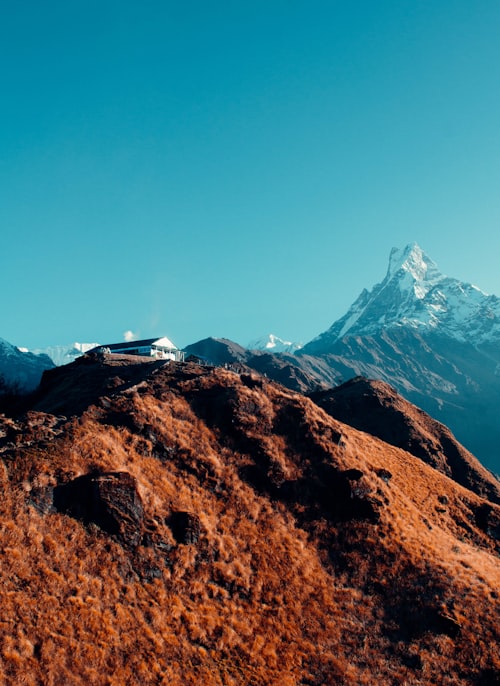
A private audience with the sacred Fishtail Mountain. 7 days of rhododendron forests, cloud-sea ridges, and the silence of an uncrowded Himalayan trail.

7 Days Moderate Difficulty Max 4,500m From $749 Mar–May & Oct–Nov Best
Scroll
Duration7 Days
Base Camp4,500m
DifficultyModerate
Group Size1–12
Price From$749

Nepal's Most Rewarding Short Trek

The Annapurna region often feels like a crowded highway of hikers — but the Mardi Himal Trek offers a rare, quiet ridge-walk that feels like a private audience with the gods.

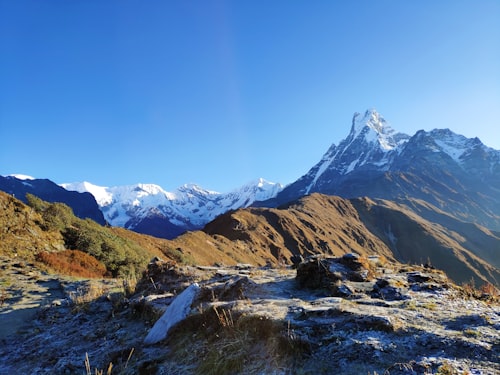
This seven-day journey takes you off the mainstream radar and onto a narrow, winding trail that clings to the shadow of Machhapuchhre, the sacred Fishtail Mountain. You'll swap the bustling stone steps of Annapurna Base Camp for soft forest floors and windswept alpine ridges. The landscape shifts from humid subtropical valleys to frost-nipped summits in just a few days of steady climbing.

"Staying in authentic teahouses managed by Gurung and Magar families, you'll experience a side of Nepal that remains untouched by mass commercialism."

Whether you're a beginner looking for a manageable challenge or a veteran seeking solitude, the Mardi Himal Trek provides a condensed but profound Himalayan experience. It's the ultimate short-form mountain escape for those who prefer the sound of their own boots over a crowded trail.
📈 Altitude Profile — 7-Day Trek
1,400m
Day 1
2,100m
Day 2
2,550m
Day 3
3,580m
Day 4
4,500m
Day 5
900m
Day 6
1,400m
Day 7

Day-by-Day Itinerary

A geography-first adventure designed around acclimatisation, solitude, and the Gurung culture of the Annapurna foothills.

📋
Permits Handled: Your ACAP (Annapurna Conservation Area Permit) and TIMS card are fully arranged by our team — no queues, no paperwork on your end.
1
The Scenic Gateway to Pokhara's Lakeshore
Kathmandu → Pokhara · ~1,400m · Scenic drive
Pokhara

Your Himalayan journey begins with a rhythmic drive from Kathmandu to Pokhara along the Prithvi Highway. You'll trace the emerald waters of the Trishuli River, passing terraced hillsides where local farmers tend to their crops. The drive is a sensory transition from the capital's chaotic energy to the serene, humid air of the lakeside.

Look out the right side of the bus for your first glimpse of the Annapurna massif appearing like white teeth on the horizon. By late afternoon, you'll be strolling along Phewa Lake, watching the sunset reflect off the water while the jagged peak of Machhapuchhre looms in the distance, promising adventure. Overnight in Pokhara Lakeside.

2
Ascending Through the Phedi Forest Portal
Pokhara → Phedi → Dhampus → Deurali · ~2,100m · 5–6 hrs
Deurali

After a short drive to Phedi, you'll start the physical climb. The trail immediately tests your lungs with a series of stone stairs leading toward Dhampus, a classic Gurung village that offers a panoramic vista that'll make you forget the sweat of the ascent. You'll walk through sun-dappled forests of oak and maple before reaching the quiet hamlet of Deurali.

The air here starts to crisp, and the scent of pine needles becomes your constant companion. It's an immersive introduction to the Annapurna foothills, where the sound of distant temple bells mingles with the rustle of the forest. You'll sleep soundly in a cosy mountain lodge tonight.

3
The Deep Emerald Silence of Forest Camp
Deurali → Forest Camp · ~2,550m · 4–5 hrs · Jungle Walk
Forest Camp

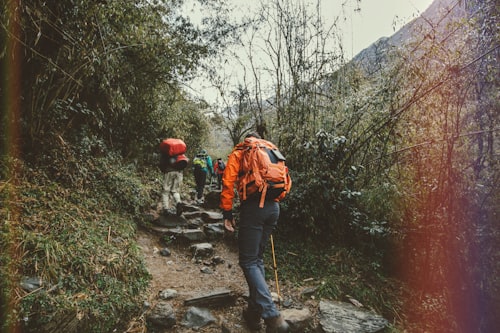
Today is all about the "Jungle Walk". You'll leave the villages behind and dive into a dense canopy of rhododendron and hemlock trees. The trail is softer here, padded by years of fallen leaves and moss. It's a steady, rhythmic climb where you'll rarely see another soul — emphasising the solitude this route is known for.

As you reach Forest Camp, the canopy thins just enough to reveal glimpses of the valley floor thousands of feet below. The evening is spent huddled around a wood-burning stove, sharing ginger tea and stories with fellow travellers, feeling the true isolation of the Himalayan wilderness.

4
Above the Clouds at High Camp Ridge
Forest Camp → Low Camp → Badal Danda → High Camp · ~3,580m · 5–6 hrs
High Camp

The landscape shifts dramatically today as you emerge from the tree line. You'll hike along a dramatic ridgeline toward Badal Danda, which literally translates to "Cloud Hill." True to its name, you'll likely see a sea of white mist swirling below your feet while you bask in the high-altitude sun. The views of Annapurna South and Hiunchuli become intimate and imposing.

The final push to High Camp at 3,580 metres is invigorating. The teahouses here are perched on a narrow spur, offering a 360-degree theater of ice and rock. It's a raw, elemental environment that prepares you for the summit push tomorrow. Gear check, early dinner, lights out early.

5
The Golden Hour at Mardi Himal Base Camp
High Camp → Base Camp → Badal Danda · 4,500m summit · Pre-dawn start
4,500m

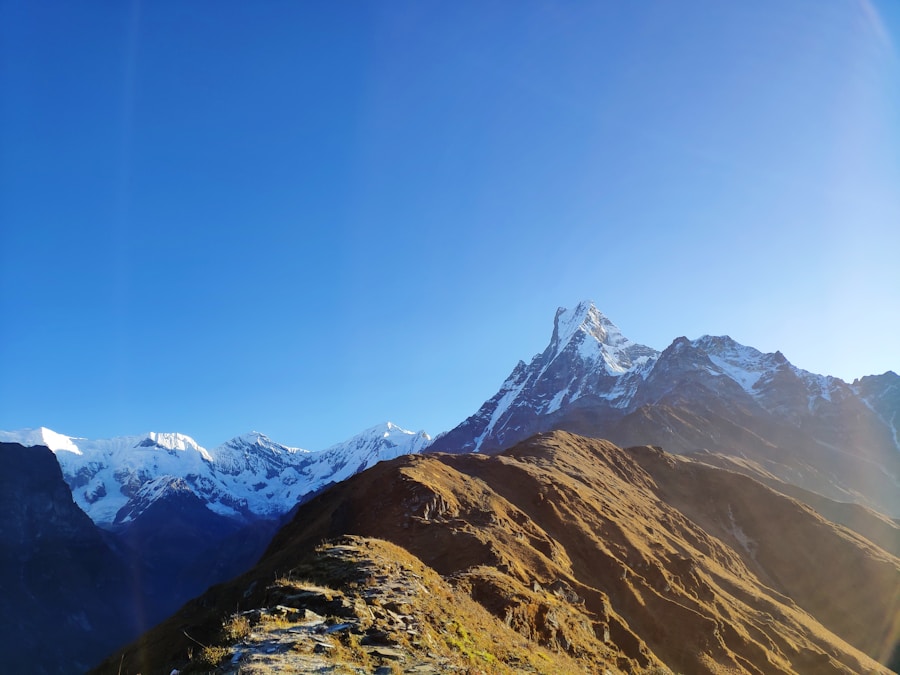
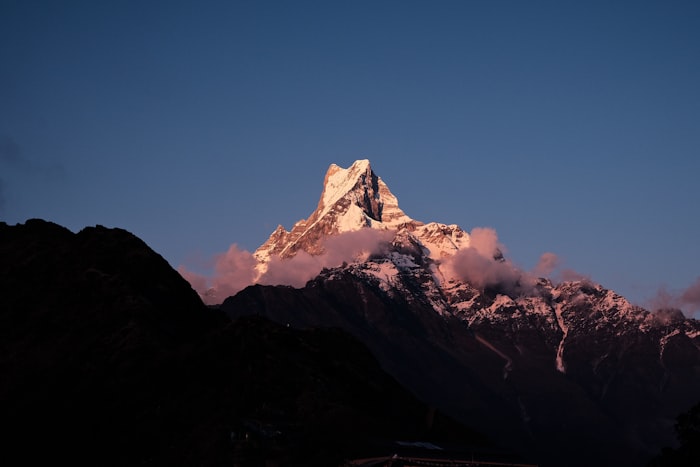
This is the pinnacle of your trek. You'll wake long before dawn, using headlamps to navigate the frosty ridge toward Base Camp at 4,500 metres. The climb is steep but the reward is unparalleled. As the sun breaks over the horizon, the face of Machhapuchhre turns a fiery orange — a sight that feels almost spiritual in its intensity. You're so close to the peaks you can see the wind whipping snow off the summits.

After soaking in the majestic silence and capturing memories that no camera can fully record, you'll begin the long descent back to Badal Danda. The air feels thicker and warmer with every foot you drop, easing your tired muscles. Today is the day you'll tell stories about for years.

6
Descent to the Gurung Heartlands of Sidhing
Badal Danda → Sidhing → Pokhara · ~900m → ~1,400m · Jeep exit
Pokhara

You'll take a different route down today, heading toward the traditional village of Sidhing. This path offers a glimpse into the rural life that thrives in the shadow of the giants. You'll pass through terraced fields of millet and mustard, seeing local Gurung life in its most authentic form.

After a final lunch in the village, a rugged jeep ride whisks you back to the civilisation of Pokhara. The transition from the silent ridges to the vibrant cafés of Lakeside is bittersweet. You'll celebrate your successful trek with a hot shower and a well-deserved feast, reflecting on the ridge you conquered just hours ago.

7
Final Souvenirs & the Kathmandu Farewell
Pokhara → Kathmandu · Drive or flight · Farewell dinner
Kathmandu

Your adventure concludes with the return journey to Kathmandu. The drive back offers a chance to process the memories of the high alpine ridges as you descend once more into the bustling river valleys. Upon arrival in the capital, you'll have a final chance to hunt for pashminas or prayer bowls in the markets of Thamel.

The evening ends with a formal farewell dinner, celebrating your achievement with traditional Nepali music and dance. Tomorrow, you'll head to the airport, carrying the stillness of the Mardi Himal ridge in your heart — forever changed by the mountains.

Includes & Excludes

What's Included

✓ Included in price
  • Licensed English-speaking Nepali guide
  • Porter service (1 per 2 trekkers, max 10kg)
  • Private vehicle transfers Kathmandu ↔ Pokhara
  • ACAP (Annapurna Conservation Area) permit
  • TIMS trekking card
  • All teahouse accommodation (twin sharing)
  • Breakfast & dinner throughout the trek
  • Hotel pickups & drops in Kathmandu/Pokhara
  • First aid kit and pulse oximeter
  • Government taxes & service charges
✗ Not included
  • International flights to/from Kathmandu
  • Nepal visa ($30–$125 depending on duration)
  • Travel insurance (mandatory — must cover evacuation)
  • Lunch on the trek (budget $8–15/day)
  • Personal trekking gear & clothing
  • Hot shower & device charging fees at teahouses
  • Tips for guide & porter
  • Personal expenses & souvenirs
⚠️
Travel insurance is non-negotiable. Helicopter evacuation from altitude can cost $4,000–$10,000. Your policy must specifically cover "high-altitude trekking" and "emergency helicopter evacuation." World Nomads and True Traveller are popular choices among our trekkers.
Ridge Tactics

Pro Tips for the Mardi Ridge

Hard-won advice from guides who've walked this trail dozens of times.
The Right-Side Rule
On the bus from Kathmandu to Pokhara, sit on the right side for the best mountain views during the final two hours. The Annapurna massif reveals itself dramatically.
Hydration is Key
Drink at least 4 litres of water daily. Use electrolyte powders to help your body absorb fluid faster above 3,000m. Dehydration accelerates altitude sickness.
Layer Like a Pro
The temperature drops instantly when the sun disappears. A high-quality down jacket is mandatory for High Camp evenings. A merino wool base layer earns its weight every day.
Carry Small Change
Teahouses often charge extra for hot showers, Wi-Fi, and charging. Small NPR bills are much easier to use — draw cash in Pokhara before you leave the city.
Ginger Everything
Local ginger tea is a natural remedy for altitude-induced nausea and keeps your core warm during the pre-dawn summit push. Order it at every stop.
Trekking Poles
Your knees will thank you on the Day 6 descent to Sidhing. The path is steep and can be slippery when damp. Poles make an enormous difference on the way down.
Headlamp is Non-Negotiable
The Day 5 pre-dawn push to Base Camp happens in total darkness. A powerful headlamp with fresh batteries is not optional — it is your most important piece of gear.
Power Banks & Cold
Cold kills batteries overnight. Keep your phone, camera, and power banks inside your sleeping bag to preserve their charge above High Camp.
Essential Info

Practical Information

Best Season
Mar–May (rhododendrons) · Oct–Nov (clear skies)
Nepal Visa
On arrival — $30 (15 days) / $50 (30 days)
Difficulty
Moderate — good cardio essential, no technical skills needed
Permits
ACAP + TIMS Card — both arranged by our team
Accommodation
Basic teahouses · twin-sharing · communal dining
Connectivity
Ncell/NTC available in lower camps; blackouts above Low Camp
Currency
Nepali Rupee — withdraw cash in Pokhara before departure
Water
Bring reusable bottle + purification tablets or LifeStraw
FAQ

Everything You Need to Know

How hard is the Mardi Himal Trek?
+
The Mardi Himal Trek is rated Moderate. It requires good cardiovascular fitness but no technical mountaineering skills. The steepest and most demanding section is the pre-dawn push from High Camp to Base Camp on Day 5. With regular cardio training for 2–3 months beforehand, most healthy adults — including first-time trekkers — can complete it comfortably.
When is the best time for rhododendrons?
+
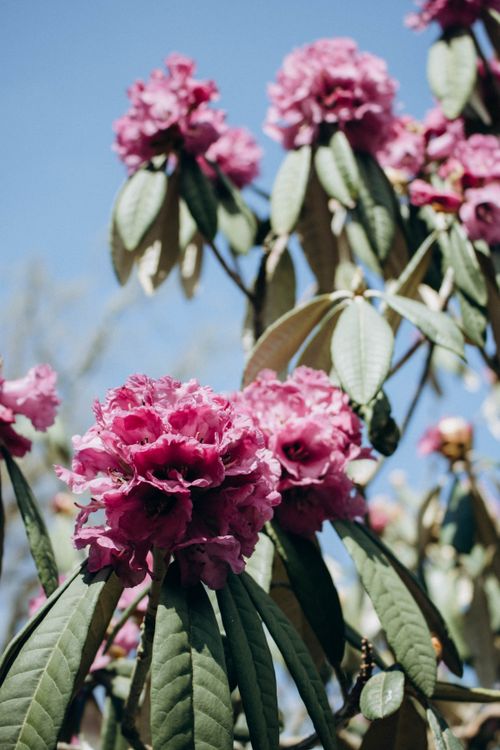
March to May is peak rhododendron season. The forest zones between Deurali and Forest Camp erupt in crimson and pink blooms during this window — it's one of the most spectacular natural sights in Nepal. The trail can be muddy in late May, but the beauty more than compensates. October–November offers the clearest skies and most stable mountain weather.
What permits are needed and are they included?
+
You need two permits: the ACAP (Annapurna Conservation Area Permit) and a TIMS (Trekkers' Information Management System) card. Both are fully arranged and covered by our team before your trek begins. You'll check them at several permit checkpoints along the route.
Is this trek suitable for first-time trekkers?
+
Yes, absolutely. The Mardi Himal Trek is one of the most beginner-friendly high-altitude treks in the Annapurna region. Teahouses are available at each camp, the trail is well-marked with our experienced guide, and the acclimatisation profile is naturally gradual. Your guide carries a pulse oximeter to monitor blood oxygen levels throughout.
How is the Mardi Trek different from Annapurna Base Camp?
+
The Mardi Himal Trek is dramatically less crowded. While ABC receives hundreds of trekkers daily at peak season, Mardi Himal remains genuinely quiet. The terrain is different too — instead of a wide, well-trodden valley walk, you traverse a narrow ridge with a "cloud-sea" phenomenon at Badal Danda and an intimate ridge-top experience that the bowl-like ABC route simply cannot offer. Mardi rewards those who value solitude and raw scenery over infrastructure.
What happens if I get altitude sickness?
+
Your guide monitors blood oxygen levels daily with a pulse oximeter. Mild AMS (headache, nausea, fatigue) is managed with rest and hydration. If symptoms worsen — severe headache, confusion, loss of coordination — the treatment is immediate descent. Our guides are trained in wilderness first aid and will arrange emergency helicopter evacuation if necessary. This is precisely why we require trekkers to carry insurance that covers high-altitude helicopter evacuation.
Team online · replies in ~15 min

Ready to walk Nepal's
hidden ridge?

Spring and Autumn windows fill up fast. Send us a quick enquiry — no payment needed, just a conversation to build your perfect trek.

7
Days on Trail
4,500m
Base Camp
100%
Local Team
15min
Reply Time

No payment required to enquire · Free itinerary changes up to 30 days before departure