Three Cities. Three Worlds. One Circuit.
Nepal isn't just a destination for mountain climbers. This eight-day circuit through the Golden Triangle — Kathmandu, Pokhara, and Chitwan — is a masterclass in the country's staggering geographical and cultural range.
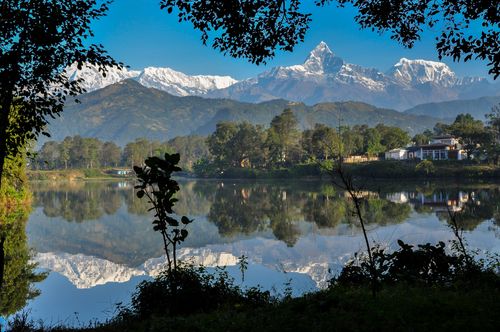
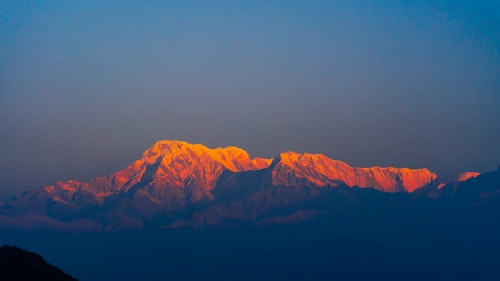
You'll start in the ancient Kathmandu Valley where seven UNESCO heritage sites sit packed within a single basin. The air carries juniper smoke from butter lamps and the rhythmic clang of temple bells. From there, the landscape opens into the dramatic theater of Pokhara — the Annapurna range reflected in the glassy waters of Phewa Lake, a Sarangkot sunrise that reframes your understanding of scale and beauty.
"The moment you descend from Pokhara into Chitwan, you realize Nepal is not one country but three — stacked on top of each other and compressed into a space the size of Arkansas."
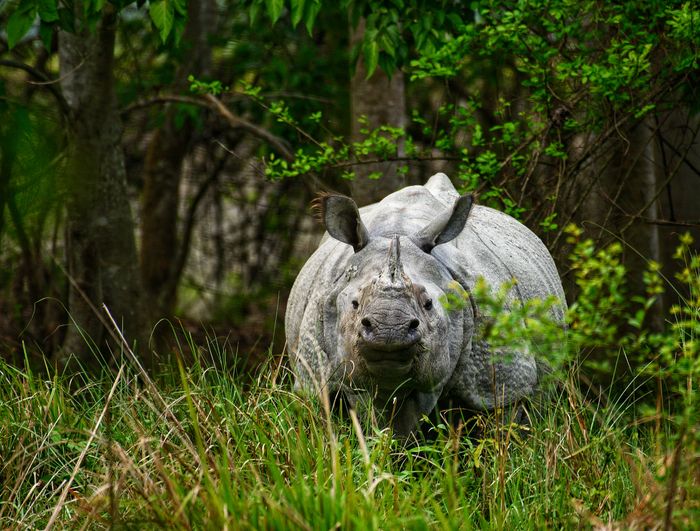
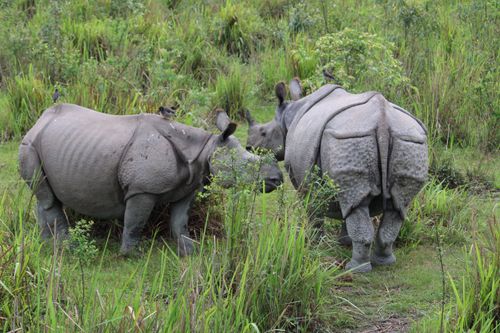
Finally, the subtropical Terai: Chitwan National Park, where Sal forests and elephant grass shelter the rare one-horned rhinoceros and one of Asia's most successful tiger populations. This is not a single-note trip. It's a full sensory range — from the incense-heavy lanes of old Kathmandu to the silence of a dugout canoe on the Rapti River at dusk. And it's designed so every travel day earns its place.

Annapurna panorama

Chitwan National Park

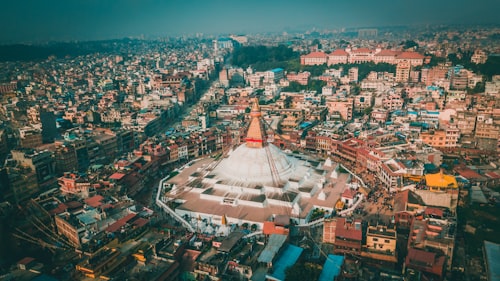
World's largest stupa
Your 8-Day Nepal Circuit
Overland drives are not dead time — every road section is curated for river views, hill-town stops, and terraced landscape photography.
Your Himalayan expedition begins the moment you land. A private vehicle cuts through Kathmandu's beautiful chaos — motorcycle horns, marigold sellers, the distant clang of a temple bell — to your hotel in the heart of the city.
In the evening, your guide joins you for a traditional welcome dinner. Dal Bhat (lentil soup, rice, and vegetable curries) and hand-steamed Momos give you your first taste of Nepal's complex spice philosophy. You'll discuss the route ahead, focusing on the logistical logic of why we move in this specific direction — it's not arbitrary, it's a geography-first decision that ensures you never backtrack. Sleep well. The valley begins tomorrow.
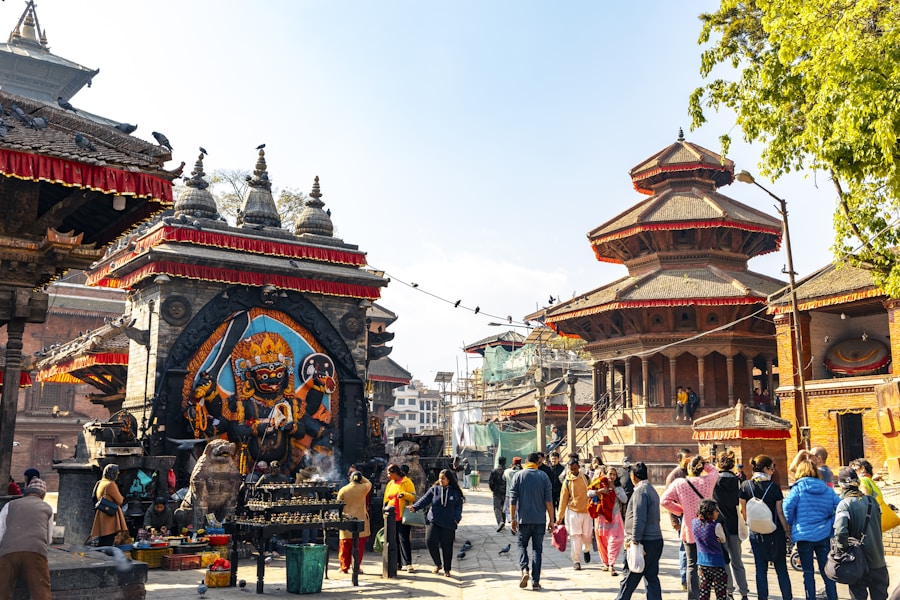
This is one of the densest cultural days you'll experience anywhere on earth. Begin at Swayambhunath (Monkey Temple) — climb the steps as macaques navigate around you, prayer wheels spinning, butter lamps glowing amber in the morning mist.
At Boudhanath, join the local Tibetan community in the clockwise kora around the world's largest stupa, the painted eyes of Buddha watching every step. Pashupatinath follows — Nepal's holiest Hindu temple, where the sacred funeral rituals along the Bagmati River offer a profound and respectful glimpse into how Nepalis approach the cycle of life. The day closes at Patan Durbar Square, where the density of Newari woodcarvings and bronze metalwork — all produced before the age of power tools — leaves most visitors speechless.
The drive west from Kathmandu is a highlight in its own right. The road traces the emerald-green Trishuli River as it carves through steep limestone gorges. You'll pass roadside markets selling fresh guava and watch brightly painted suspension bridges swing over the rapids below — views that no flight could ever provide. This is why we drive.
Arriving in Pokhara, the air softens and humidity drops. The Annapurna range appears like white ghosts on the horizon, closer and more overwhelming than you expected. The afternoon belongs to Phewa Lake — a serene rowing boat crosses the glassy water as the sun dips behind the western ridge, casting Machhapuchhre (Fishtail Peak) in molten gold. The reflection in the still water is the photograph that defines every Nepal travel feed.
4:30 AM wake-up. Non-negotiable. The drive to Sarangkot viewpoint is dark and cold, and that is entirely the point. As the first light hits the Annapurna and Dhaulagiri ranges, the mountains transform from deep blue silhouettes to brilliant shades of orange and gold in real-time — a spectacle that even seasoned travellers describe as the most beautiful thing they've witnessed. The entire show lasts about 20 minutes. Every second counts.
Back in the valley, the International Mountain Museum provides context for what you just witnessed — the stories of Himalayan climbing, the gear, the human cost. In the afternoon, hike 45 minutes through rhododendron forest to the World Peace Pagoda for a 360-degree panorama of the entire Pokhara Valley. The evening belongs to the vibrant Lakeside district, where live Nepali folk music spills from candlelit cafes.
The transition today is one of the most dramatic in Asian travel. You leave the cool highlands and descend through the Siwalik foothills, watching the vegetation thicken and the air grow warm and humid. By the time you cross the flat Terai plains, Nepal looks like a different country entirely. The same nation, a different world.
Check into a jungle resort on the banks of the Rapti River, where cicadas replace mountain wind in the ambient soundtrack. In the late afternoon, walk through a traditional Tharu village — the indigenous communities who have lived alongside these jungles for centuries. Their distinctive mud-plastered houses with hand-painted geometric decorations, their fishing traps and farming methods, offer a fascinating glimpse into a lifestyle in deep harmony with nature. Tomorrow, the wildlife begins.
Your full day in Chitwan National Park begins before breakfast. A silent dugout canoe drifts down the Rapti River at dawn — you'll spot gharial crocodiles basking on the mudflats and Gangetic river dolphins surfacing in the current, all within touching distance. No engine noise. Just water.
The morning jeep safari takes you deep into the Sal forest and elephant grass in search of the park's star residents. Chitwan has one of Asia's most successful one-horned rhinoceros conservation stories — you have a very high probability of an encounter. The park is also home to Bengal tigers, wild elephants, sloth bears, and over 500 bird species. The evening concludes with a high-energy Tharu cultural dance performance by firelight — rhythmic drumming and stick dancing that has been performed in these villages for generations.
After a final morning of bird watching along the river, the drive back to Kathmandu offers one last look at the terraced mid-hills and the rushing river systems that give Nepal its character. This is not dead time — it's the decompression drive, where everything you've seen over the past week begins to settle into perspective.
Back in the capital, the afternoon belongs to Thamel — the labyrinthine market neighbourhood where hand-woven pashminas, intricate Thangka paintings, silver jewellery, and copper singing bowls line every alley. A farewell dinner at a traditional Newari restaurant brings the group together one final time — local spirits, live folk music, and stories from the road. A proper send-off.
Your final morning in Nepal is for slow reflection. A leisurely breakfast, perhaps a last wander to a favourite courtyard or quiet temple corner you discovered during the week. You might find yourself drawn back to a butter lamp vendor near Boudhanath, or a rooftop café in Thamel with one more cup of masala tea.
At the scheduled time, a private vehicle transfers you to Tribhuvan International Airport (KTM). As your flight climbs above the cloud layer and the Himalayan wall reveals itself one final time through the cabin window, you'll understand why every person who comes to Nepal leaves planning their return. This country does not let you go easily.
What's Included
- ✓Expert English-speaking guide throughout
- ✓Private AC vehicle for all overland transfers
- ✓Airport pickup and drop-off in Kathmandu
- ✓7 nights accommodation (twin/double sharing)
- ✓Daily breakfast at all hotels
- ✓Chitwan National Park entrance fees
- ✓Full-day jeep safari in Chitwan
- ✓Rapti River dugout canoe ride
- ✓Tharu village walk and cultural performance
- ✓Sarangkot sunrise viewpoint transport
- ✓Phewa Lake boat ride
- ✓Government taxes and service charges
- ✗International flights to/from Kathmandu
- ✗Nepal Visa on Arrival ($30–$50 USD cash)
- ✗Travel insurance (strongly recommended)
- ✗Lunches and dinners
- ✗Kathmandu UNESCO entrance fees
- ✗Tips for guide and driver
- ✗Optional Mountain Flight
- ✗Personal shopping and souvenirs