 May 2026
 Kapil Lama
 12 min read
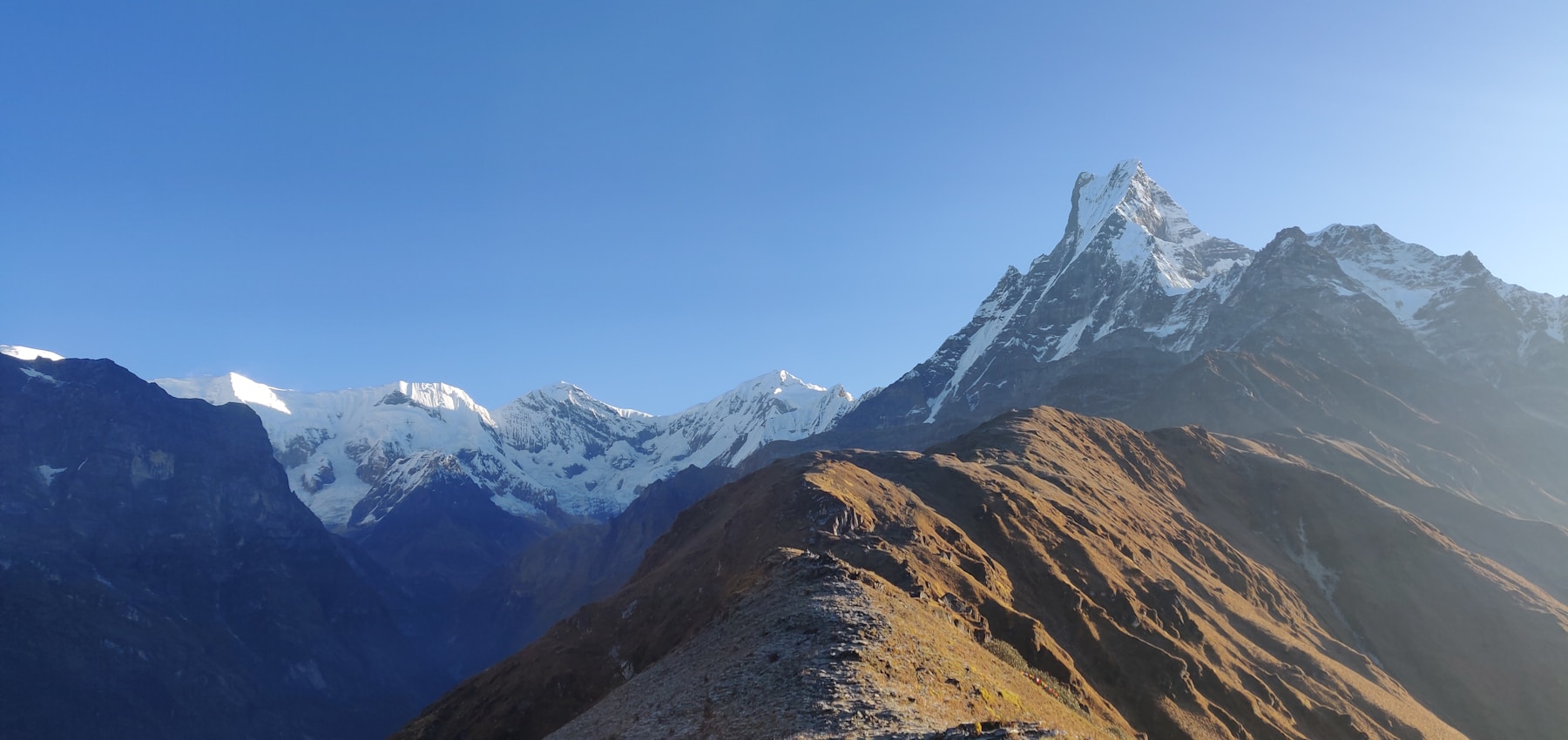
The 2026 EBC daily hiker caps have turned Everest Base Camp permits into a lottery nobody asked to enter. But seasoned trekkers whispering over ginger tea in Pokhara have known the real secret for years: you don't need Everest to get those life-changing Himalayan views. The Mardi Himal Trek gives you ridge-level drama, face-to-face Fishtail encounters, and total trail silence — and this year, it's officially the smarter choice.
Want a Guided Mardi Himal Trek?
Our licensed Nepal team handles your E-TIMS, ACAP permit, licensed guide, and every tea house booking. You just show up and hike.
View Our 7-Day Mardi Package →1 Why 2026 is the Year of Mardi Himal
The 2026 trekking season in Nepal feels fundamentally different. The government's pivot toward "High Value, Low Impact" tourism has squeezed the classic routes. Everest Base Camp follows a valley floor — you spend days looking up at the mountains through a narrow, crowded corridor shared with everyone who managed to snag a permit.
Mardi Himal flips that script entirely. This route follows a high mountain spine. For three days you aren't just walking to the mountains — you are walking on top of them. The Annapurna Range dominates your left horizon. The deep Mardi Khola valley plunges away to your right. You're above the clouds, not looking up at them.
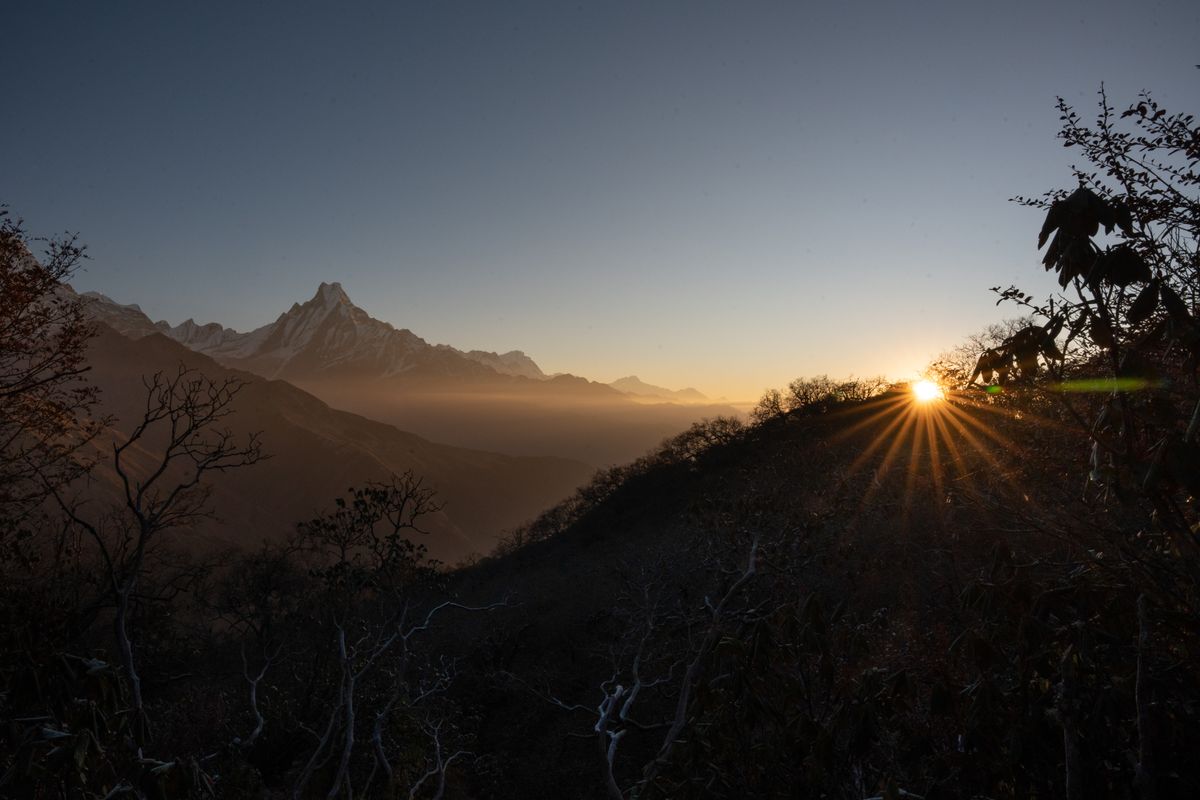
May is the sweet spot: rhododendron forests in full bloom, pre-monsoon clarity, and trails that are genuinely quiet compared to the EBC circus.
The Upper Viewpoint Secret: Most hikers fixate on reaching the 4,500m Base Camp just to say they did it. The Upper Viewpoint at 4,200m actually delivers better photography — a broader, uninterrupted perspective of Annapurna South without the extra 300m of lung-burning loose scree. Go here instead, and be back for breakfast.
| Category | Mardi Himal 2026 | EBC 2026 |
|---|---|---|
| Trail Perspective | Ridge-level — walking ON peaks | Valley floor — looking UP at peaks |
| Duration | 4 – 6 Days | 12 – 14 Days |
| Permit Stress | E-TIMS + ACAP — easy | Daily hiker cap lottery |
| Total Permit Cost | ~$38 USD | $400+ USD (park + peak fees) |
| Crowd Level | Quiet — genuine solitude | Queues at every photo spot |
| Best Month | May (rhododendrons + clarity) | March – May (crowded) |
2 The 2026 Permits: Biometric E-TIMS & ACAP
Gone are the days of scribbling your passport number in a dog-eared ledger. In 2026, Nepal's trekking infrastructure is fully digital. Arrive at the trailhead without the right QR codes and you will be turned around at the checkpoint. Here is exactly what you need:
The Biometric E-TIMS Card
The Nepal biometric TIMS card 2026 replaces the old paper system. It costs NPR 2,000 (~$15 USD) for foreign trekkers and is available at the Nepal Tourism Board offices in Kathmandu or Lakeside, Pokhara. Your card carries a unique QR code that checkpoint officials at Kande and Siding scan via tablet to confirm your safety registration and identity.
ACAP Permit
The Annapurna Conservation Area Permit (ACAP) cost 2026 is NPR 3,000 (~$23 USD) — purchase this at the same counter as your E-TIMS. One visit, two permits, total of NPR 5,000 (~$38 USD). That's your legal gate pass to the mountain.
The Mandatory Guide Rule
Under the strict Nepal trekking guide regulations 2026, the No Solo Trekking rule is enforced across 42 routes — Mardi Himal is on that list. A government-licensed guide is non-negotiable.
Solo flashpacker? Don't panic. Spend an hour in Lakeside Pokhara the evening before you leave and you'll find other solo travelers in the same position. A "shared guide" split between 2–3 people costs a fraction of a private hire and keeps you 100% legal on the trail.
2026 checkpoints at Kande and Siding scan your E-TIMS QR code via tablet — paper cards are no longer accepted on any official route.
3 The 4-Day "Express" Itinerary from Pokhara
When comparing Mardi Himal vs Poon Hill 2026, this route wins for serious hikers — you go 1,300m higher, get dramatically closer to the peaks, and completely avoid the school-trip crowds that flood the Poon Hill steps every morning. Four days, maximum impact.
Hire a private jeep from Pokhara to Kande — a fast, one-hour drive. The climb begins the moment your boots hit the dirt. Pass through Australian Camp (genuinely good Americano, unbeatable views) before plunging into dense, mossy jungle. A manageable introduction: 4–5 hours of hiking, mostly forest, mostly shade.
Vibe: Lush · Green · PeacefulThis is the day the magic hits. As you push past Low Camp, the tree line vanishes in an instant. You emerge onto the exposed ridge and the full scale of the Himalayas lands on you all at once. Tonight you sleep at High Camp with an unobstructed view of Machhapuchhre — the "Fishtail" — glowing in alpenglow. Charge your camera batteries. This sunset is the one you came for.
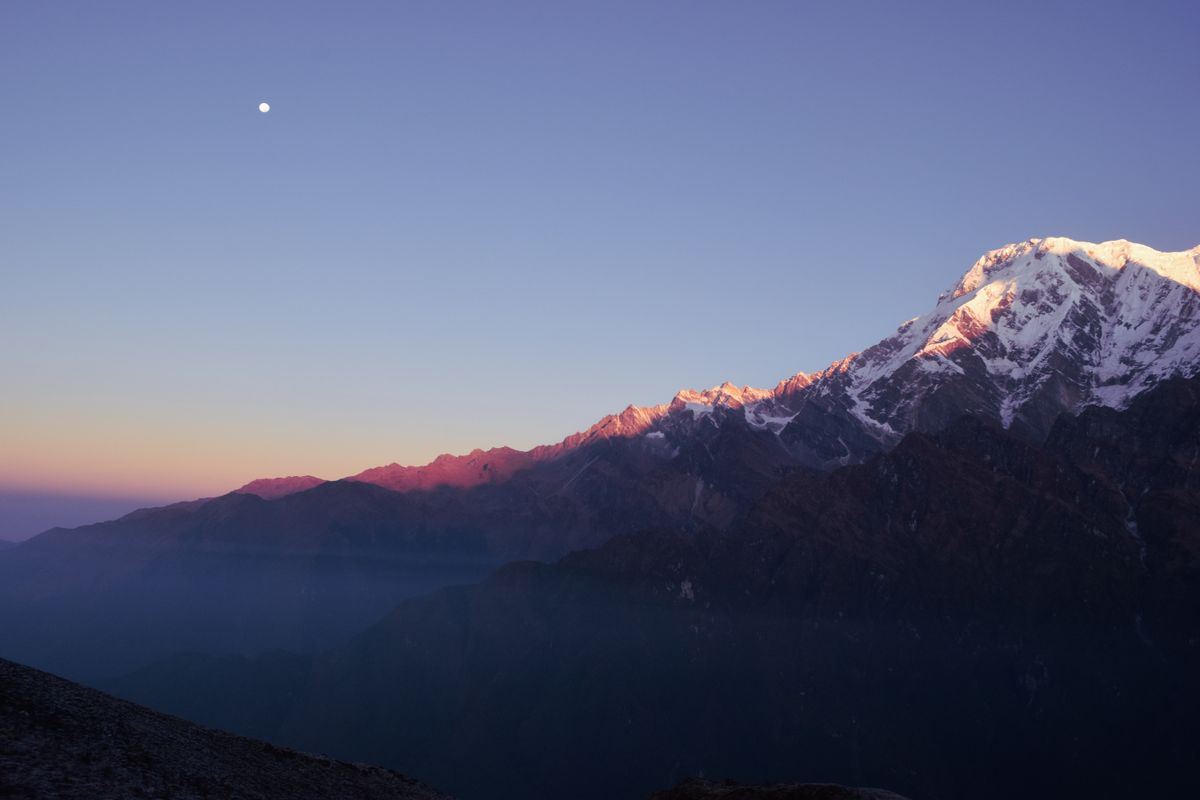
Vibe: Epic · Above the Clouds · MilestoneSet your alarm for 3:30 AM. It hurts. It is worth it. Be at the Upper Viewpoint by 5:30 AM to watch the first golden light strike the Fishtail summit — one of the most deeply affecting sights in all of Himalayan travel. After a massive breakfast back at High Camp, descend to Low Camp to rest your lungs for the final day.
Vibe: Spiritual · Unforgettable · Earn the DescentA steep, knee-testing descent through ancient mossy forest takes you to the traditional Gurung village of Siding. From here, a shared jeep returns you to Pokhara in roughly 2.5 hours — perfectly timed for a hot shower and an ice-cold Everest Beer by the lakeside before dinner.
Vibe: Triumphant · Descend · CelebrateKnee-saver route: If your joints are screaming on Day 4 morning, ask your guide for the Badal Danda side-trail instead of the direct stairs to Siding. Slightly longer in distance but dramatically gentler on the knees, with sweeping cloud-level views that most trekkers never see.
4 2026 Budgeting: The Dal Bhat Index
Inflation has touched the Himalayas, but Mardi Himal remains one of the world's great value-for-money adventures. Here's exactly what to budget for May 2026 tea house prices on the trail:
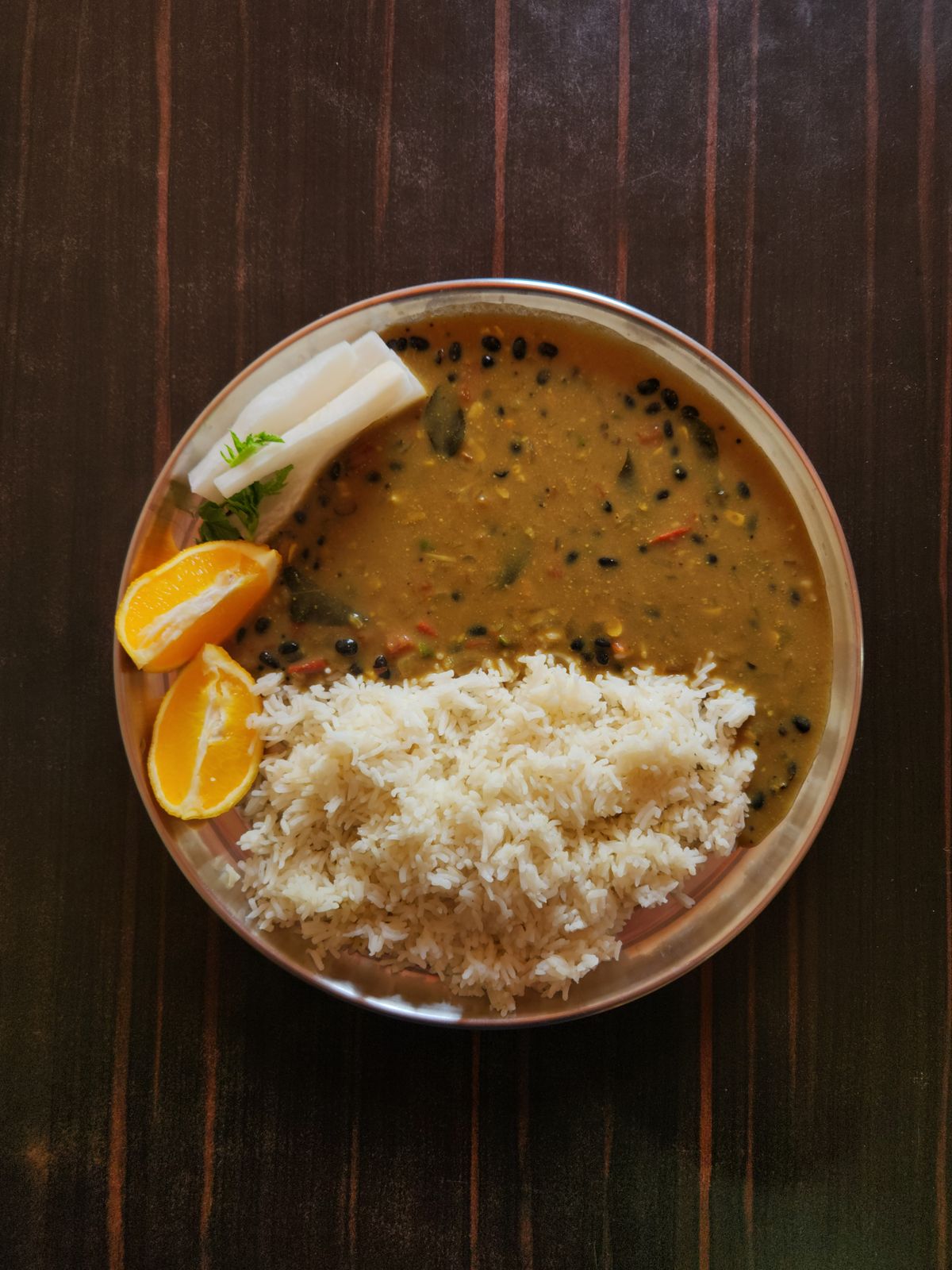
Dal Bhat is the trek's official fuel source — and the free-refill policy means you should always order seconds before hitting the next switchback.
Cash is king above Kande. Card machines exist at lower tea houses but fail regularly. Carry at least NPR 15,000 – 20,000 ($115 – $150) in cash before leaving Pokhara. The nearest ATM after Kande is at the bottom of the trail.
5 Ncell vs NTC: Signal on the Mardi Trail
Unlike the high-altitude EBC route where NTC is the clear winner, the Mardi Himal trail sits at a mid-altitude where both providers have made significant 2026 improvements.
| Location | Ncell Coverage | NTC Coverage |
|---|---|---|
| Kande / Australian Camp | Strong 4G | Strong 4G |
| Forest Camp (2,600m) | Good 4G | Good 4G |
| Low Camp (3,050m) | Intermittent | Decent 4G (NTC stronger here) |
| High Camp (3,580m) | Spotty / 3G | Spotty but more reliable |
| Upper Viewpoint (4,200m) | No data | 1–2 bars (text only) |
For city travel around Pokhara and Kathmandu, Ncell wins on speed. For anything above 3,000m on this trail, NTC holds longer. Don't have a Nepal SIM yet? Read our Kathmandu Airport SIM Card Guide 2026 before you fly — you can pick up the right SIM the moment you land.
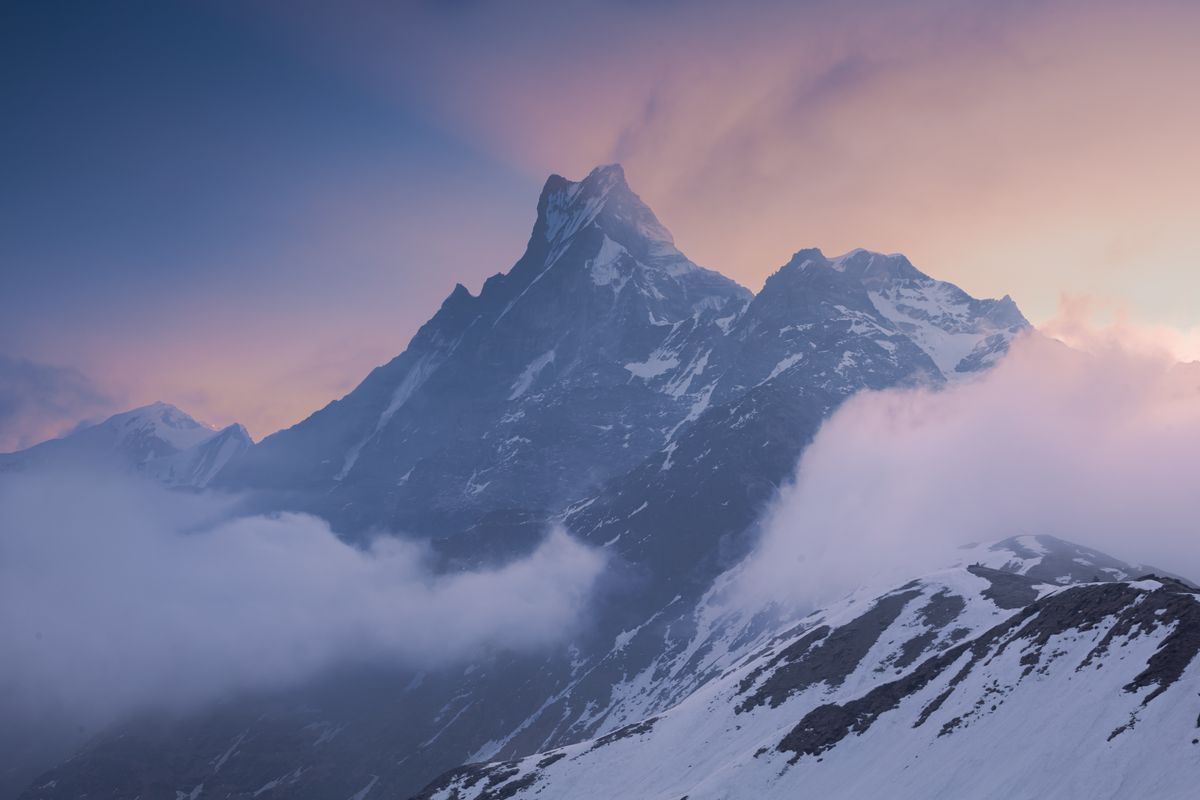
The Mardi ridge at cloud level — where most trekkers in Nepal only dream of standing while queuing at EBC suspension bridges.
FAQ: Mardi Himal Trek 2026
Yes — it's strictly enforced. Nepal's 2026 No Solo Trekking rule covers Mardi Himal as one of its 42 listed routes. Checkpoint staff scan your guide's registration alongside your E-TIMS QR code. Attempting to trek alone risks being escorted back to Kande and losing your permit fees.
Absolutely not. The High Camp to Viewpoint section is narrow, often icy in May mornings before 7 AM, and very steep on loose rock. You need proper hiking boots with solid ankle support and aggressive grip. This is non-negotiable — lightweight trail runners are okay for Day 1 only.
Mardi Himal is a very fast altitude gain — from 800m in Pokhara to 3,600m at High Camp in just 48 hours. Drink a minimum of 4 liters of water daily, avoid all alcohol until you're descending, walk at a deliberately slow "bistari, bistari" pace, and carry Diamox if your doctor recommends it. The golden rule: if your head is pounding, do not go higher.
For serious hikers, Mardi Himal wins clearly. You ascend 1,300m higher (4,500m vs 3,210m), get dramatically closer to the peaks, and avoid the school-group traffic that floods Poon Hill at dawn. Poon Hill is excellent for families, mixed-fitness groups, and 3-day itineraries — but if you want genuine solitude and higher views, Mardi is the answer.
Yes — May is actually one of the best months. The pre-monsoon air delivers crisp visibility in the mornings, rhododendrons are in peak bloom in the forest sections, and the trails are quiet. Afternoon clouds build from late morning, so plan to complete your high-altitude sections (Upper Viewpoint) before 8 AM. By mid-June, monsoon rains make the trail significantly more challenging.
The Nepal Tourism Board (NTB) offices in Kathmandu (Bhrikutimandap) or Lakeside, Pokhara are the official issuance points. Allow 30–60 minutes for the process. Bring your original passport — biometric data (fingerprint scan) is collected on-site. The ACAP permit is purchased at the same counter.
Ready to Trade the Crowds for the Clouds?
The 2026 trekking season doesn't have to mean EBC permit stress and crowded suspension bridges. It can mean standing on a windswept Himalayan ridge in total silence, watching the first light of dawn turn the Fishtail summit into fire — with no one in front of you and no queue behind.
Mardi Himal isn't the consolation prize anymore. For thousands of trekkers this season, it's become the destination of choice. Lace up your boots, download your E-TIMS QR code, and get on that flight. We'll see you on the ridge.
Let Our Nepal Team Handle Everything
Permits, licensed guide, tea house reservations, airport transfers — our local Pokhara team manages every detail of your Mardi Himal trek so you can focus entirely on the experience.
Get a Free Custom Quote →Mardi Himal Trek 2026 — Quick Reference Table
| Feature | 2026 Details |
|---|---|
| Max Altitude | 4,500m Base Camp · 4,200m Upper Viewpoint (recommended for photography) |
| Best Duration | 4 days express (flashpacker) · 6 days for acclimatisation |
| E-TIMS Permit | NPR 2,000 (~$15 USD) · QR code issued · buy at NTB in Kathmandu or Pokhara |
| ACAP Permit | NPR 3,000 (~$23 USD) · same counter as E-TIMS |
| Guide Requirement | Mandatory — licensed guide compulsory under 2026 No Solo Trekking rule |
| Starting Point | Kande (jeep from Pokhara, ~1 hour) or Dhampus |
| Best Signal Provider | NTC above Low Camp · Ncell for city sections around Pokhara |
| Daily Budget | $30 – $45 USD all-in (room + meals + charging) · guide fee separate |
| Best Month | May — pre-monsoon clarity, rhododendrons in bloom, quiet trails |
| Mardi vs EBC | Shorter, cheaper, less crowded, ridge-level views — the 2026 smart choice |